‘I can’t cope with this any more,’ I thought, as panic, anxiety and dread threatened to overwhelm me.
It was a Friday in May 2025 and I was in an important meeting at the office. I had just presented a significant piece of work that had taken a great deal of time and energy.
The response in the room was simple: it didn’t meet the brief.
Of course, nobody wants bad feedback at work, but when I heard those words, my heart dropped.
This wasn’t a one-off. For months, I’d been feeling overwhelmed: on the brink of tears most days, unable to cope with my workload, struggling to remember what had happened the previous day.
I had no idea I was going through perimenopause; instead, I was quietly terrified about what was happening to me.
That meeting experience was the straw that broke the camel’s back – and I ended up being signed off work for two months.
These days, I know how deeply perimenopause and menopause symptoms can impact us. They can knock us sideways, turn our lives on their heads and convince us that we’re losing control of our mental faculties.
And the scariest thing is: new polling commissioned by the Royal College of Psychiatrists shows that nearly three-quarters of UK women don’t know that menopause can actually trigger a new mental illness.
Perimenopausal women are more than twice as likely to develop bipolar disorder and 30% more likely to develop clinical depression; but most women mainly associate menopause with hot flushes instead of mental health difficulties.
This means many women aren’t seeking or receiving the vital help they need. And I find this terrifying; because I found perimenopause hard enough with anxiety and low mood.
I’m now utterly dedicated to spreading the word about the many debilitating symptoms of menopause; in fact, I’ve just become accredited as a menopause coach – so I can help other women cope with what I went through and point them to specialist services where needed.
I truly wouldn’t wish my symptoms on anyone; and I want every woman to be able to ask for – and access – the help she needs.
My symptoms started in mid-2024.
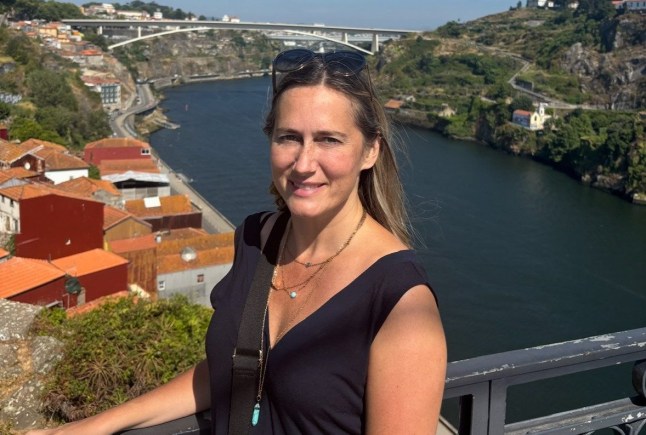
I’ve never been so sleep-deprived in my life. I’d never been a great sleeper, but this was different.
I had no issue falling asleep, but suddenly I started waking up, every night, at around 2am. I’d be wide awake and wired with no chance of drifting back off. I’d lie there until my alarm went off; then, I’d drag myself into work on three or four hours’ sleep.
One or two nights like that would have been manageable, but this was a pattern that repeated itself most nights for six months.
Then there was the brain fog.
I’ve never known anything like it. I always used to feel capable, alert and switched-on; now, no matter how many planners I carefully filled, or how many post-it reminders I wrote myself, I often couldn’t remember the most simple things.
Colleagues would ask me, ‘Do you have the notes from yesterday’s meeting?’, and I’d have no idea what meeting they were referring to, even though I’d attended it myself.
My anxiety would surge as I tried to sift through my sleep-deprived brain, desperately trying to remember the notes in question, but I couldn’t. Where once I could offer an instant, efficient reply, now I could only stare wordlessly as I attempted to comb through memories that weren’t there.
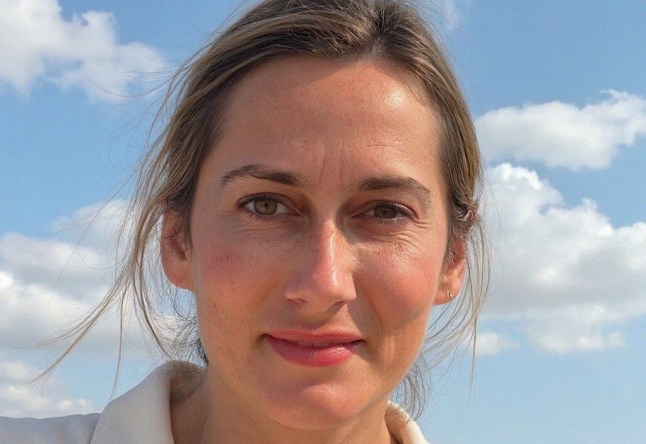
I didn’t understand what was wrong with me. I knew about menopause, but I thought it hit people in their late 50s or 60s. I was only 46; perimenopause never crossed my mind.
At my lowest point, I worried I had early-onset dementia. Rationally, I knew it was unlikely; but there were times when I couldn’t come up with any other explanation for why I couldn’t even remember conversations I’d had the previous day.
These perimenopause symptoms crept into my personal life, too. Previously the life of the party, I reduced my socialising down to the bare minimum; the thought of being in busy, loud places – not to mention a drunken late-night tube, which I’d never minded before – made me anxious and I needed quiet and calm.
I replaced gigs and bars with walks and at-home dinners.
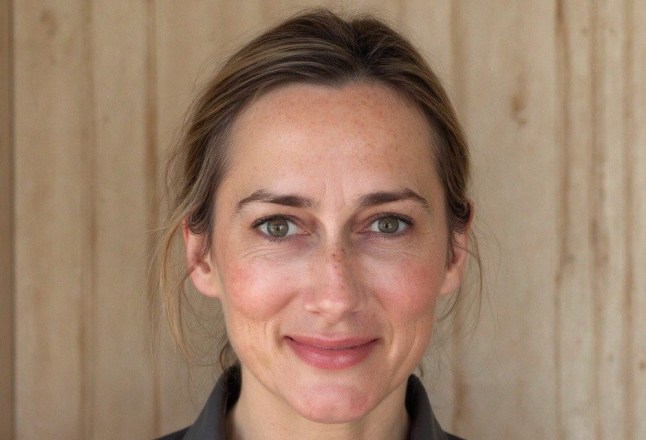
My mood plummeted. I had a constant sense of anxiety in my chest and I felt a deep sadness. I wasn’t much fun to be around at home, to say the least; I disconnected from my husband exhibiting little interest when he initiated conversation and had a perpetual ‘glass half empty’ mentality.
It was all so unlike me.
That Friday in May when my work was critiqued, I sat through the rest of the meeting – doing my best to remain professional while knowing that, later, I would shut down my laptop and walk away. I needed time out from work, straight away.
That night, I went to Spain for a long weekend with my husband and other family. I sobbed all evening, and my husband convinced me to see a GP. ‘This isn’t normal,’ he insisted, and I knew he was right.
I saw a GP the following Monday, telling him I’d been feeling very stressed, and he signed me off work for a fortnight.
Benenden Health's research on menopause
Research from not-for-profit healthcare provider Benenden Health reveals the growing impact of menopause on women’s working lives.
- Nearly a third (28%) of women say they’re considering leaving their job because of menopausal symptoms, with 7% already having quit.
- Almost half (47%) have changed how they work as a result of symptoms, including reducing hours (18%) or responsibilities (12%).
- Productivity is also suffering, with 31% reporting a decline and losing an average of 5.5 working days a year to menopause-related illness.
- Despite this, 40% of women say they are unaware of any menopause support at work.
- While 92% of employers believe their organisation meets staff needs, the findings highlight a significant gap between perception and reality. Benenden Health says this can be addressed through practical steps such as clear menopause policies, trained managers, workplace adjustments and access to specialist healthcare support.
But after a couple of weeks – once I’d calmed down slightly from the worry of leaving work unfinished – I started to put two and two together. Away from the overwhelm I’d feel in the busy, urgently-paced office, it gradually dawned on me that there was a chance I could be experiencing the first signs of menopause.
So I went to another doctor – a woman, this time – and she told me I was absolutely right.
It sounds dramatic; but that one hour with this second GP completely changed my life. She made me feel heard and understood, and I was flooded with relief when she said there were steps I could take – primarily HRT – that would help me take control of my symptoms.
In other words, I could get my life back.
I extended my time away from work and started taking HRT – and I became myself again. My sleep improved, I could concentrate, I didn’t feel as though I was constantly on the verge of tears any more.
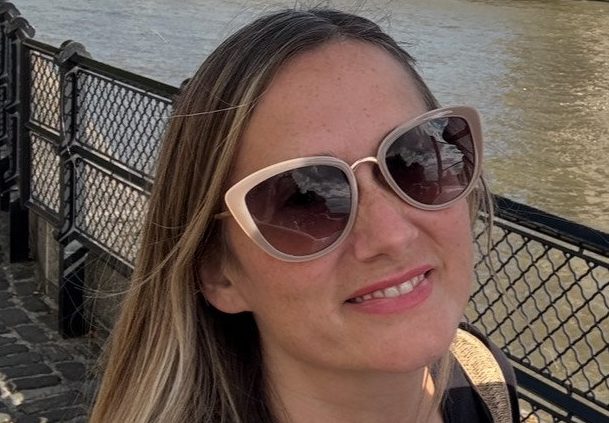
When I eventually went back to work after two months, they were fantastic. My scope of work was adapted so it became more manageable, and I felt as though I could function again.
Of course, while HRT has helped me, it’s not a miracle cure. I still have bad days.
My sleep isn’t completely back to normal, and I’ve had issues with my joints, a classic perimenopause symptom. I put my back out a couple of months ago, and it was so painful that it effectively ruined my Christmas.
But compared to where I was this time last year, I’m like a completely different person – and now that I’m accredited as a menopause coach, I can help other women know the signs and symptoms while crucially, helping them cope; and I can advise them to seek expert mental health support if I suspect they need it – for bipolar disorder or depression, for example.
Because I don’t want any other perimenopausal women to be perpetually on the brink of tears at work worrying that the only explanation for what’s happening to them is early-onset dementia.
There is help out there, if we only know to ask for it.
Do you have a story you’d like to share? Get in touch by emailing Ross.Mccafferty@metro.co.uk.
Share your views in the comments below.